Surfing in Yorkshire: The North East Hidden Waves
Surfing in Yorkshire: The North East’s Hidden Waves
Why Yorkshire? Seriously, Why Yorkshire?
When most people think of surfing in the UK, their minds drift south and west – Cornwall, Devon, maybe the Gower Peninsula in Wales. Yorkshire rarely features in that conversation, and honestly, that suits the locals just fine. The North Sea coastline stretching from Bridlington up through Scarborough, Whitby, and beyond to Saltburn-by-the-Sea is one of Britain’s best-kept surfing secrets, and if you are a beginner looking for your first real experience on a board, it might just be the most welcoming stretch of coastline you will ever find.
Yes, the water is cold. Yes, the towns are grittier than St Ives. Yes, you will probably eat a warm pasty from a seafront shop rather than an açaí bowl. But there is something deeply honest about learning to surf in Yorkshire. The community is tight, the waves are consistent, and the sense of achievement when you finally stand up on a board in the North Sea is something you simply cannot replicate anywhere else.
This guide is written for absolute beginners – people who have never stood on a surfboard, who might be a little nervous about cold water, and who want practical, honest advice about getting started. There is nothing here that assumes prior knowledge. By the end, you should have a clear picture of where to go, what to bring, how to stay safe, and why Yorkshire surfers are genuinely proud of their coastline.
Understanding the Yorkshire Coast and Its Waves
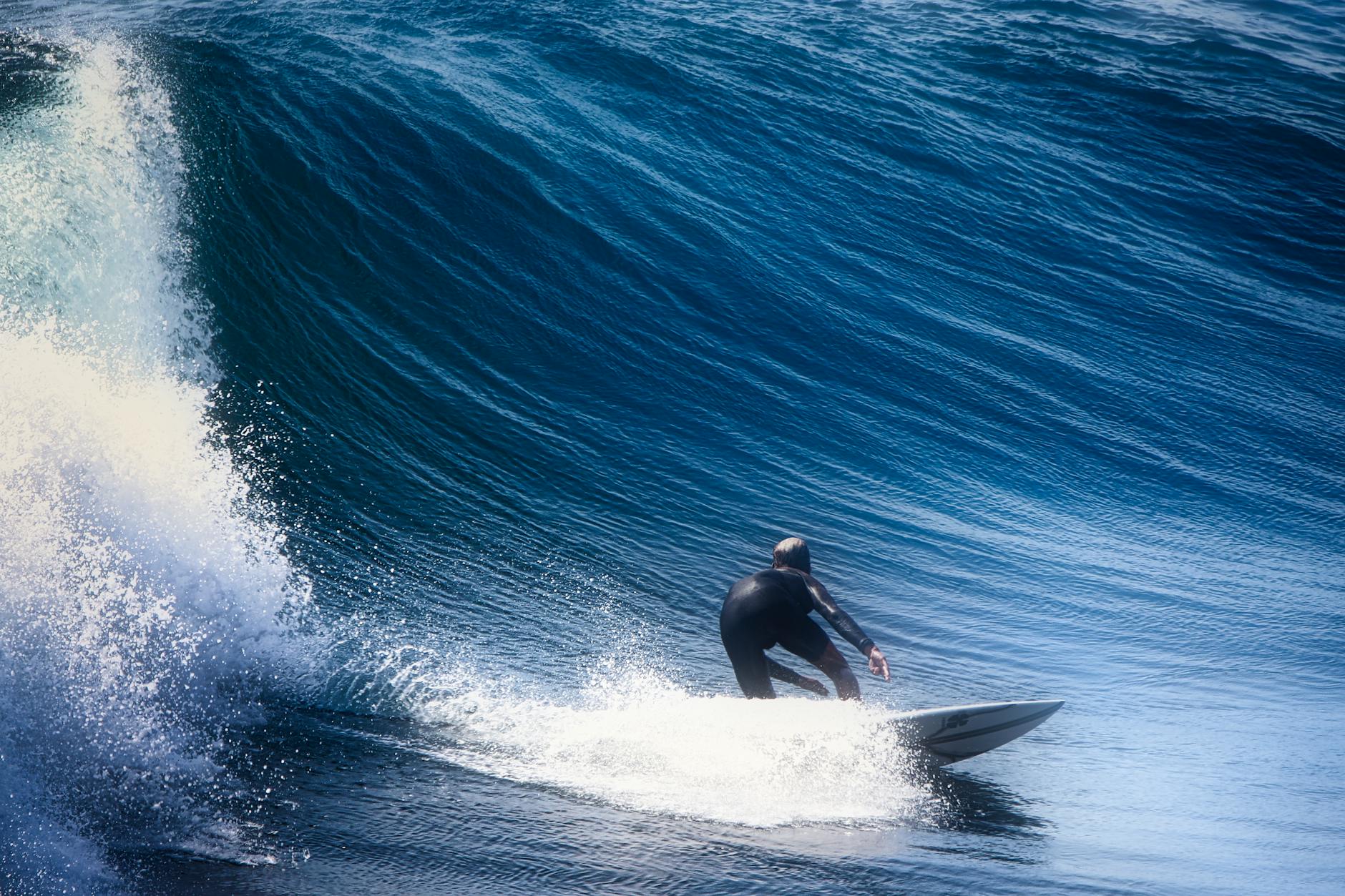
The Yorkshire coastline faces north-east, which means it picks up swells generated far out in the North Sea, particularly during autumn and winter when Atlantic storms push energy across northern Europe. This is quite different from the Atlantic-facing beaches of Cornwall, which receive more powerful, longer-period swells year-round. Yorkshire’s waves tend to be punchier, shorter, and more unpredictable – but for a beginner, this actually has advantages.
Smaller, gentler swells are far more forgiving when you are learning. You are not dealing with six-foot sets rolling in from the open Atlantic; you are working with waves that are often in the one-to-three foot range, which is the sweet spot for getting to your feet and building confidence. The trade-off is that truly good surf days can be less frequent, so when the conditions align, local surfers make the most of it – and so should you.
Saltburn-by-the-Sea, situated in the Redcar and Cleveland district just over the Yorkshire border into the Tees Valley, is widely considered the spiritual home of surfing in the North East. Its long sandy beach, consistent beach break, and the iconic Victorian pier create a setting that feels genuinely cinematic. Scarborough’s South Bay offers more sheltered conditions, ideal for absolute beginners, whilst Cayton Bay – just south of Scarborough – is known as one of the finest beach breaks in the North East, though it can get crowded with intermediate surfers on a good day. Filey Brigg and Runswick Bay are quieter options worth exploring once you have found your feet.
The Best Time of Year to Start
Here is a truth that surprises many people: summer is not necessarily the best time to surf in Yorkshire. The summer months – June through August – often bring flat, glassy conditions with little swell activity. Longshore drift and calm North Sea weather mean the waves can disappear entirely for weeks at a time. For a complete beginner, though, summer has its merits. The water temperature creeps up to around 15-17°C, the days are long, and the conditions when waves do arrive tend to be very manageable.
Autumn is arguably the best season for beginners who want a genuine surfing experience. September and October bring a reliable increase in swell as Atlantic and North Sea storm systems begin to develop. The crowds thin out after the school holidays, the water is still relatively warm from the summer, and there is a beautiful quality to the light on the Yorkshire coast at that time of year. Many surf schools extend their seasons into October precisely because conditions are so good.
Winter surfing in Yorkshire is absolutely a thing – there are dedicated locals who surf through January and February without a second thought – but as a beginner, you would be better served waiting until the spring or early autumn. If you do surf in winter, a good-quality 5/4mm wetsuit with hood, gloves, and boots is non-negotiable. The water temperature can drop to around 6-8°C, which requires proper preparation and experience.
What to Wear: Wetsuits and Cold Water Essentials
Forget the image of surfers in boardshorts under a blazing sun. In Yorkshire, the wetsuit is your most important piece of equipment, and it deserves serious attention. The North Sea is cold – genuinely cold – and the right wetsuit makes the difference between a session you enjoy and one you endure.
For summer surfing (June to September), a 3/2mm full-length wetsuit is generally adequate. The numbers refer to the thickness of the neoprene at the chest and limbs respectively. For spring and autumn, a 4/3mm suit is the more sensible choice. In winter, as mentioned, you need a 5/4mm suit with sealed seams and, ideally, integrated hood panels. Gloves and wetsuit boots become essential once temperatures drop below 10°C.
When buying your first wetsuit, prioritise fit over brand name. A poorly fitting suit will let in cold water through gaps at the neck, wrists, and ankles, making the whole experience miserable. Reputable UK surf shops that stock quality wetsuits include Saltburn Surf Shop (based in Saltburn-by-the-Sea, naturally), as well as larger online retailers like Surfdome, Wetsuit Centre, and Surfers Against Sewage’s partner suppliers. It is worth trying a suit on in person if you can – neoprene should feel snug without restricting your breathing or arm movement.
A good changing robe, often called a dryrobe or changing poncho, is another wise investment for Yorkshire surfing. Standing on a windswept North Sea beach trying to wrestle a wetsuit off in February without one is an experience you want to avoid. Brands like Dryrobe and Christal Seas are popular in UK surf communities.
Choosing Your First Board
One of the most common mistakes beginners make is choosing a board that is too small. It seems counterintuitive – surely a smaller, sleeker board is easier to manage? In fact, the opposite is true. Volume is your friend as a beginner. A board with more volume floats better, catches waves more easily, and gives you a much larger platform on which to find your balance.
Foam boards, often called foamies or soft-tops, are the standard recommendation for learners. They are forgiving on impact, difficult to seriously injure yourself with, and perform perfectly well in small to medium surf. Brands like Softech, Catch Surf, and NSP produce excellent beginner foam boards that are widely available in the UK. A 7’0″ to 9’0″ foam longboard is ideal for most adult beginners. The Softech Flash range, for instance, is used by countless UK surf schools precisely because of its reliability.
You do not need to buy a board immediately. Most surf schools will include board hire in their lesson costs, and it makes sense to try several different shapes and sizes before committing to a purchase. Once you have had four or five lessons and know you want to continue, investing in your own board becomes worthwhile.
Taking Your First Lesson: What to Expect
Yorkshire has a growing number of reputable surf schools along its coast, and a structured lesson is far and away the best way to start. Saltburn Surf School, based at the beach in Saltburn-by-the-Sea, is one of the most established in the region, offering group and private lessons for all ages. Yorkshire Surf School operates out of Scarborough and also runs sessions at various beaches depending on conditions. Both schools employ qualified instructors holding British Surfing Association (BSA) certifications.
The BSA – now operating under the Surfing England umbrella – sets the standard for surf instruction across England. When booking a lesson anywhere in the UK, checking that your instructor holds a Level 1 or Level 2 BSA/Surfing England qualification is a reasonable minimum expectation. It ensures they are trained in water safety, first aid, and proper teaching technique.
A typical beginner lesson lasts around two hours and follows a broadly similar structure wherever you go. Here is what you can generally expect:
- Beach briefing and safety talk: Your instructor will explain the layout of the beach, identify any hazards such as rip currents, rocks, or restricted swimming zones, and introduce basic surf etiquette. This is not optional listening – pay attention here.
- Equipment introduction: You will be shown your board, introduced to the leash (the cord attaching the board to your ankle), and given a quick overview of how to carry the board safely into the water.
- Pop-up practice on the beach: The pop-up is the movement of going from lying flat on the board to standing in one smooth motion. You will practise this on the sand many times before entering the water. It feels slightly ridiculous. Do it anyway – it is genuinely useful.
- Wading and white water practice: Your first waves will be the white water – the broken, foamy section of a wave after it has already broken. This is the safest and most manageable starting point, and most beginners catch their first wave in these conditions within the first thirty minutes.
- Feedback and progression: A good instructor will offer constant, specific feedback throughout the session. Listen carefully and try to make adjustments in real time rather than waiting until the next wave.
- Cool-down and debrief: Most sessions end with a brief discussion of what went well, what to work on, and recommendations for your next steps.
Do not be discouraged if you spend most of your first lesson
on the board rather than standing up. Most beginners wobble, fall, and paddle back out more times than they can count, and this is entirely normal. Progress in surfing is rarely linear — some days everything clicks, and others you cannot seem to find your footing at all. What matters most in the early stages is building water confidence, reading the rhythm of the waves, and learning how your body responds to movement on an unstable surface. Yorkshire’s gentle beach breaks are genuinely well suited to this process, and instructors along the coast are experienced in working with adults and children who have never set foot on a board before.
As your skills develop, you will find that the North East offers plenty of room to progress beyond the beginner stage. Filey and Cayton Bay in particular present more varied conditions as the tide shifts, giving intermediate surfers the opportunity to work on their pop-up timing, trim position, and wave selection. The local surf schools are generally happy to discuss progression routes, whether that means signing up for a follow-on intermediate course, joining a regular club session, or simply heading out independently once you have the fundamentals in place. Hiring a board and wetsuit by the day is straightforward at most spots, and the community around Yorkshire surfing tends to be welcoming and unpretentious.
Yorkshire may not be the first place that comes to mind when people think of British surfing, but it has earned a quiet reputation among those who know it well. The waves are consistent enough to surf year-round, the crowds are modest compared to the South West, and the dramatic coastline — all cliffs, sand, and wide northern sky — gives even an ordinary session a certain character. Whether you are booking your first lesson at Scarborough or paddling out at dawn on a clean autumn swell at Cayton Bay, surfing in Yorkshire rewards patience and persistence in equal measure.