Scottish Surfing: Cold Water and Stunning Scenery
Scottish Surfing: Cold Water and Stunning Scenery
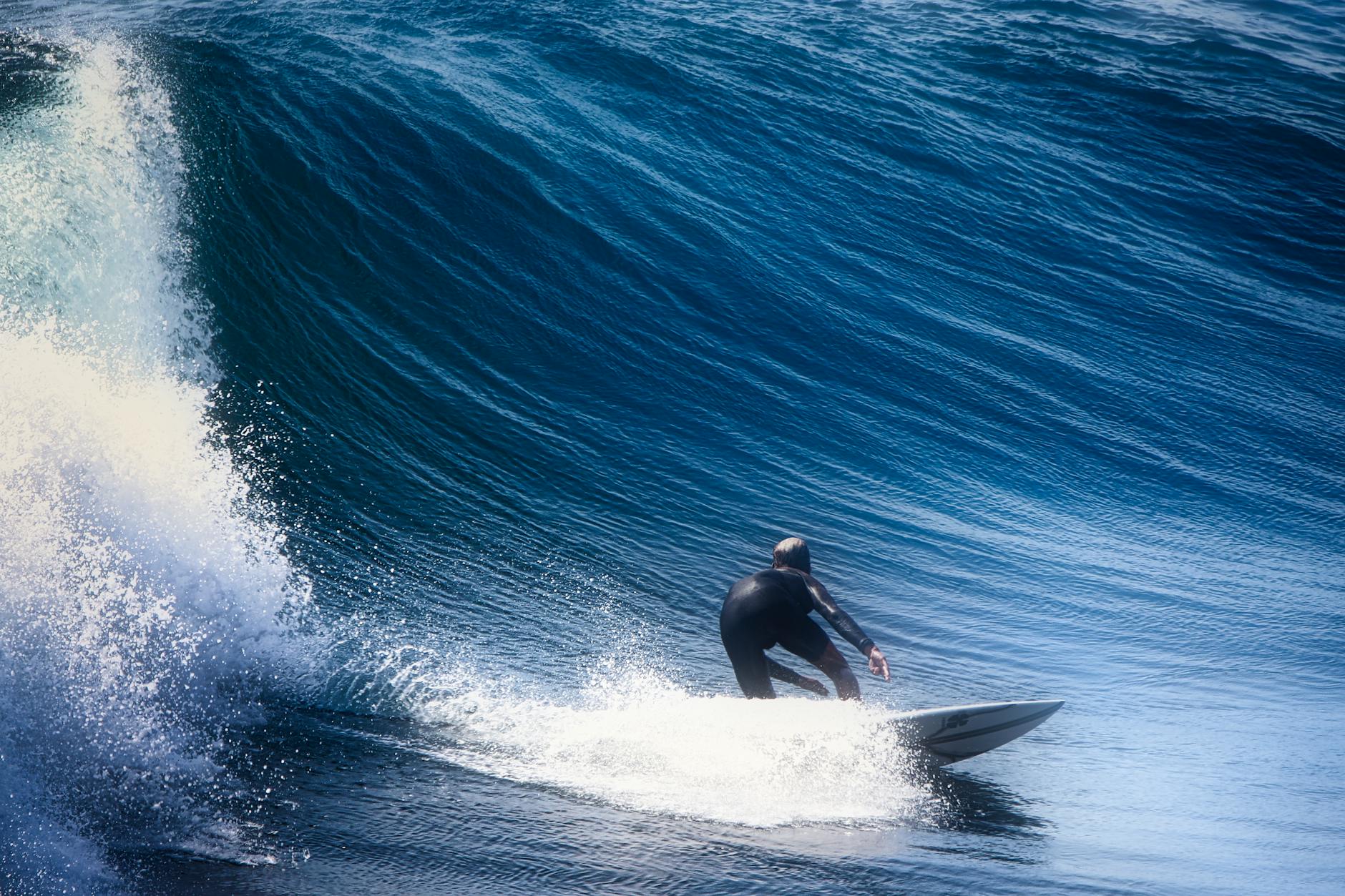
Scotland is one of the best-kept secrets in European surfing. While the masses flock to Cornwall or the Basque Country, Scotland quietly delivers some of the most powerful, consistent, and spectacularly beautiful waves on the planet. The country’s rugged Atlantic coastline, shaped by millennia of geological drama, produces surf that rivals anything you will find in Portugal or Ireland – and it does so against a backdrop of sea stacks, heather-covered cliffs, and skies that shift colour by the minute. If you are a beginner who is serious about learning to surf properly, Scotland will push you, humble you, and ultimately reward you in ways that a crowded, sun-baked beach simply cannot.
This guide is written specifically for beginner surfers considering Scotland as their first or early surfing destination. We will walk you through everything: the best spots, the right gear, the water temperatures, the safety rules, surf schools to trust, and the cultural etiquette of Scottish line-ups. Read this carefully before you pack your board bag.
Why Scotland Is Worth the Journey
Scotland receives Atlantic swells generated thousands of miles away in the open ocean. These swells arrive largely uninterrupted, hitting a coastline that is deeply indented with bays, headlands, and points – all of which shape waves in very different ways. The Outer Hebrides, the north coast, Orkney, and even parts of the east coast all produce surfable waves. The variety is remarkable.
Beyond the surf, the environment itself is extraordinary. The beaches at Balnakeil Bay near Durness, Sandwood Bay in Sutherland, and the Machir Bay on Islay are among the most beautiful stretches of coastline in the British Isles. You will share the water with seals, dolphins, and occasionally basking sharks. You will surf under skies that turn pink and gold in summer evenings that last until nearly midnight. This is not standard surf tourism – it is something altogether more immersive.
The Scottish Surfing Scene Today
Scottish surfing has a proud, if understated, history. Surfers in Thurso have been riding waves since the 1960s, and the country now hosts international competitions. Thurso East, in the far north of Caithness, has hosted the Scottish Open and featured on the World Surf League qualifying circuit. Surf clubs affiliated with Surfing Scotland, the national governing body recognised by sportscotland and UK Sport, operate across the country, from Aberdeen to the Western Isles. The scene is welcoming, community-driven, and refreshingly free of the attitude you sometimes encounter in more crowded spots.
Understanding Scottish Swell Patterns
Scotland’s north and west-facing coasts receive the most consistent Atlantic swell. The north coast, particularly around Thurso, benefits from north-westerly swells which typically arrive in long, organised sets. The west coast, including spots around Tiree and the Outer Hebrides, picks up south-westerly swells that can produce excellent beginner waves in the right conditions. Swell forecasting websites such as Magicseaweed (now part of Surfline) and XCWeather give reasonable local forecasts, but always check multiple sources and speak to local surfers or your surf school instructor before paddling out.
Essential Gear for Cold Water Surfing in Scotland
Getting your kit right is not optional in Scotland – it is a matter of safety. Water temperatures off the Scottish coast range from approximately 7°C in winter to around 15°C in late summer. These temperatures are cold enough to cause cold water shock, muscle incapacitation, and hypothermia if you are improperly equipped. Do not underestimate this.
Wetsuits: What Thickness Do You Need?
Follow this general guide for Scottish water temperatures:
| Season | Approximate Water Temp | Recommended Wetsuit | Extras Needed |
|---|---|---|---|
| Winter (Dec-Feb) | 7°C – 9°C | 6/5mm hooded wetsuit | 5mm gloves, 5mm boots |
| Spring (Mar-May) | 9°C – 11°C | 5/4mm hooded wetsuit | 4mm gloves, 4mm boots |
| Summer (Jun-Aug) | 12°C – 15°C | 4/3mm wetsuit | 3mm boots, gloves optional |
| Autumn (Sep-Nov) | 11°C – 13°C | 5/4mm wetsuit | 3mm gloves, 4mm boots |
Always buy or hire a wetsuit that fits well – gaps at the neck, wrists, and ankles will allow cold water to flush through and rapidly reduce the suit’s effectiveness. Reputable brands available in the UK include O’Neill, Rip Curl, and Patagonia Yulex, the latter being the most sustainable option if environmental impact matters to you.
Your Board for Scottish Conditions
As a beginner, you want a soft-top foam board (often called a foamie or a mal). Aim for a board at least 8 feet long, ideally 9 feet, with good volume. Foam boards are safer in a crowded beginner line-up, more forgiving underfoot, and genuinely excellent at catching waves. Many Scottish surf schools use precisely these boards because they work. Do not listen to anyone who tells you foam boards are embarrassing – they are not. They are sensible, and plenty of experienced surfers ride them regularly.
Fit a surf leash appropriate for your board length. A broken leash in cold Scottish water, away from the shore, can become a serious incident very quickly.
The Best Beginner Surf Spots in Scotland
Scotland has dozens of surfable breaks, but not all of them are suitable for beginners. The following spots have consistent beginner-friendly waves at certain states of tide and swell, and most have surf schools or at least a local community nearby.
Belhaven Bay, East Lothian
Located near Dunbar, Belhaven Bay is one of the most accessible beginner spots in Scotland for people travelling from Edinburgh and the central belt. The bay produces mellow beach break waves on a south-east or north-east swell. It is sheltered enough to offer forgiving conditions for beginners in summer. The beach sits within John Muir Country Park, managed by East Lothian Council, so car parking and facilities are available. Surf schools including Belhaven Surf School operate from here during the warmer months.
Pease Bay, Scottish Borders
Further south along the A1107, Pease Bay is a small shingle and sand bay that produces surprisingly good surf. It is popular with Edinburgh surfers and has a surf school on site. The wave here is a beach break that works on north-easterly swells. It can get busy on good days, so arrive early and be respectful of other surfers already in the water.
Dunnet Bay, Caithness
Dunnet Bay is the most northerly beach on the Scottish mainland, situated just east of Thurso. While Thurso East – the famous reef break nearby – is absolutely not for beginners, Dunnet Bay itself produces far gentler beach break conditions on smaller swells. The beach is vast, the scenery is extraordinary with views towards the Orkney Islands, and the waves are often long and rolling in lighter conditions. This is a place where you can practise paddling, popping up, and catching white water without being overwhelmed.
Tiree, Inner Hebrides
Tiree is a small island reached by CalMac ferry from Oban or by Loganair flight. It is known across Europe as a windsurfing and kitesurfing destination, but it also produces excellent surfing conditions. The island is low-lying, which means the swell wraps around it from multiple directions. Balevullin Beach and Salum Bay offer long, sandy beach breaks that can be very manageable in small swell conditions. There is limited accommodation, so book well in advance.
Machrihanish, Kintyre Peninsula
Machrihanish Bay is a magnificent five-mile sweep of beach on the west coast of the Kintyre Peninsula. It faces directly into the Atlantic and picks up consistent south-westerly swells. The bay produces both beach break and some point break conditions, and the southern end is generally gentler than the northern stretch. Machrihanish Dunes, a nearby golf resort, provides an unusual backdrop. The Kintyre Way walking trail runs along this coastline, and the area is excellent for a longer surf-focused trip.
Surf Schools and Lessons in Scotland
If you are a beginner, you should take lessons before surfing independently in Scotland. Cold water conditions, variable weather, and rip currents make Scotland a poor choice for self-teaching. A qualified instructor will not only make learning faster and safer, but will also teach you water safety skills specific to Scottish conditions.
Choosing an Accredited School
Look for surf schools affiliated with or recognised by Surfing Scotland, the sport’s national governing body. Surfing Scotland works alongside British Surfing and is responsible for coaching qualifications and standards across the country. Instructors qualified to at least British Surfing Level 1 Coach standard are the minimum you should accept. Many reputable schools hold Level 2 and Level 3 coaches.
Accredited schools operating in Scotland include:
- Thurso Surf – based in Caithness, offering lessons at Dunnet Bay and surrounding beaches.
- Salt ‘n’ Silk Surf School – based on the Kintyre Peninsula near Machrihanish.
- Belhaven Surf School – operating on the East Lothian coast near Dunbar.
- Gone Surfing Scotland – offering sessions across Argyll and the islands.
Always confirm current accreditation directly with the school and check that they carry appropriate public liability insurance. Reputable schools will be transparent about this without being asked.
What to Expect from Your First Lesson
A standard beginner lesson in Scotland will typically last two to three hours. It will begin on the beach with a safety briefing covering rip currents, surfboard etiquette, and how to fall safely. You will practise the pop-up technique on the sand before entering the water. Your instructor will position you in the white water – the broken wave foam – to start with, helping you feel the board move and building your confidence. By the end of a well-run lesson, most beginners will have stood up on the board at least
once or twice, and some will have managed several successful rides. Do not be discouraged if progress feels slow — the cold water, unfamiliar wetsuit, and the general unpredictability of the ocean all add to the challenge. What matters at this stage is getting a feel for the water and leaving the beach with a smile on your face.
After the in-water session, most schools will finish with a debrief on the beach. This is a good opportunity to ask questions, review what went well, and get advice on what to work on before your next session. Many instructors will also point you towards suitable beginner spots in the area, local surf forecasting resources, and any clubs or community groups worth joining. If you are considering booking further lessons or a multi-day surf camp, this conversation is the right time to discuss that too.
It is worth arriving to your lesson well fed and hydrated. Surfing is more physically demanding than it looks, and cold water accelerates the rate at which your body burns energy. Wear any thermal layers you have been advised to bring, arrive early enough to fit your wetsuit without rushing, and let the school know in advance about any medical conditions or swimming ability concerns. The more your instructor knows before you enter the water, the more they can tailor the session to suit you.
Conclusion
Scottish surfing asks something of you that warmer, more forgiving destinations do not. It asks you to accept discomfort, to respect genuinely powerful conditions, and to find pleasure in a landscape that is beautiful precisely because it is uncompromising. In return, it offers uncrowded lineups, waves of real quality, and a connection to the coastline that is difficult to find elsewhere in the British Isles. Whether you are a complete beginner booking your first lesson in Thurso or an experienced surfer chasing the reef breaks of the Outer Hebrides, Scotland rewards those who show up prepared and approach the water with humility. The cold is real, the scenery is extraordinary, and the surfing — when conditions align — is as good as anywhere in Europe.