Surfing vs Bodyboarding: Which Should You Try First?
Surfing vs Bodyboarding: Which Should You Try First?
Standing on a board for the first time, feeling the ocean push you forward, is one of the most exhilarating experiences the British coastline has to offer. Whether you are drawn to the powerful swells of Newquay, the reliable beach breaks of Croyde in North Devon, or the surprisingly consistent waves of Thurso in the far north of Scotland, the UK offers genuinely world-class conditions for beginners. But before you even get your feet wet, there is one question worth answering honestly: should you start with surfing or bodyboarding?
Both sports share the same fundamental thrill — reading a wave, timing your entry, and riding the water’s energy to shore. Yet they are quite different in terms of difficulty, equipment cost, physical demand, and long-term progression. This guide walks through both options in detail so you can make an informed choice that suits your fitness level, budget, and what you actually want to get out of your time in the water.
Understanding the Basics: What Is the Difference?
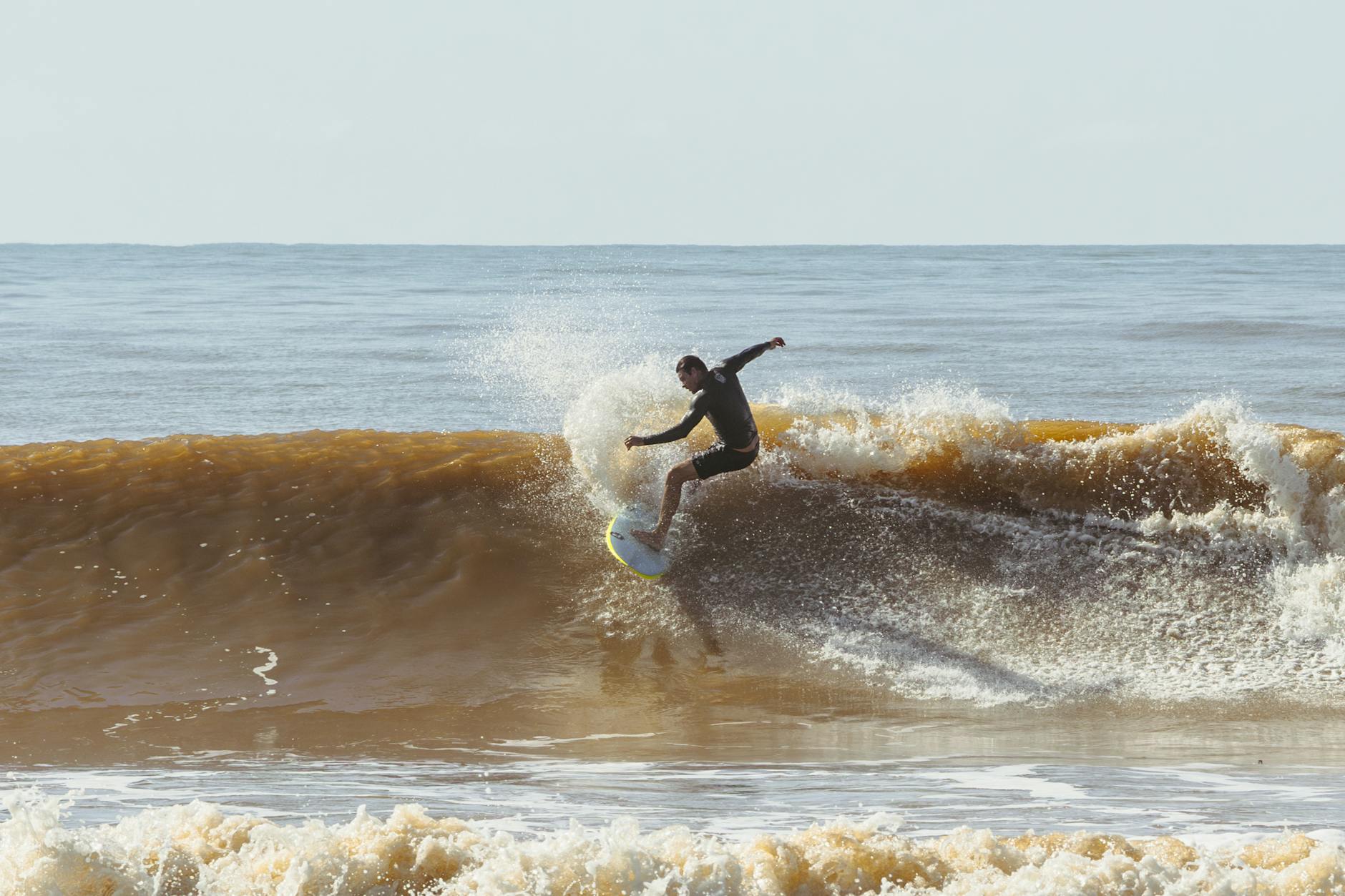
Surfing involves standing upright on a fibreglass or foam board, using your body weight and foot positioning to steer across the face of a wave. It requires balance, core strength, and a reasonable amount of time practising the pop-up — the movement that gets you from lying flat to standing. Most beginners spend their first few sessions on a large foam board known as a softboard or “foamie,” which is far more forgiving than a traditional hard board.
Bodyboarding, sometimes called boogie boarding in older literature, involves lying prone (face down) on a shorter, rectangular foam board and riding waves in that position. You steer using your arms and legs, and fins worn on your feet give you additional power to catch waves. Advanced bodyboarders can perform aerial manoeuvres and ride waves with just as much skill and style as surfers, but the entry point for beginners is considerably lower.
Neither sport is superior. That is worth stating clearly. Both have thriving communities in the UK, dedicated competitions, and passionate lifelong practitioners. The question is simply which one gives you the best start.
The Case for Bodyboarding First
For most complete beginners, bodyboarding is the more accessible introduction to wave riding. Here is why it tends to work so well as a starting point.
- Lower learning curve: You do not need to stand up. The prone position is naturally stable, which means you can focus on reading waves and timing your entry rather than wrestling with balance on a wobbly board.
- Cheaper to start: A decent beginner bodyboard from a UK retailer such as Tiki, Morey, or Wave Bandit costs between £30 and £80. Add a pair of fins (Churchill Makapuu fins are a popular choice) for another £25 to £40, and you are set up for well under £150. Entry-level surfboards, even second-hand, rarely come in that cheap once you factor in a leash and wax.
- More wave options: Bodyboarders can catch smaller, weaker waves that would barely move a surfer. This is particularly useful in the UK, where conditions are often inconsistent. You will get more rides per session as a beginner, which means more practice and faster progress.
- Less risk of injury to others: A surfboard is a large, hard object that can cause serious injury if it hits someone. Softboards have mitigated this somewhat, but a bodyboard is smaller and softer, making it less of a hazard in crowded beginner spots like Fistral Beach or Saunton Sands.
- Easier in a wetsuit: UK water temperatures rarely rise above 16°C even in summer, and off-season temperatures can drop to 7°C or lower. Managing a surfboard while wearing a thick 5/4mm winter wetsuit and booties is genuinely difficult as a beginner. Bodyboarding in those conditions is far more manageable.
Many accomplished surfers — including a number of professional competitors — began on a bodyboard. The skills you build are transferable: understanding how waves form and break, knowing when to paddle, and developing water confidence all carry directly into surfing if you choose to make that transition later.
The Case for Going Straight into Surfing
That said, there are very good reasons why many beginners choose to start with surfing directly, and it is not always the wrong call.
- It is what you actually want to do: If your goal is specifically to surf — to stand on a board and ride waves — then there is no shame in starting there. Motivation matters enormously when learning any physical skill, and being passionate about surfing specifically will keep you coming back through the frustrating early sessions.
- Softboards make it much more achievable: The modern foam softboard has genuinely transformed beginner surfing. Brands like Catch Surf, Torq, and Softech produce boards in the 7 to 9 foot range that are buoyant, stable, and safe. Many UK surf schools use these boards as standard, and they are now widely available at shops like Saltrock, Wavelength, and local surf shops in Newquay and Croyde.
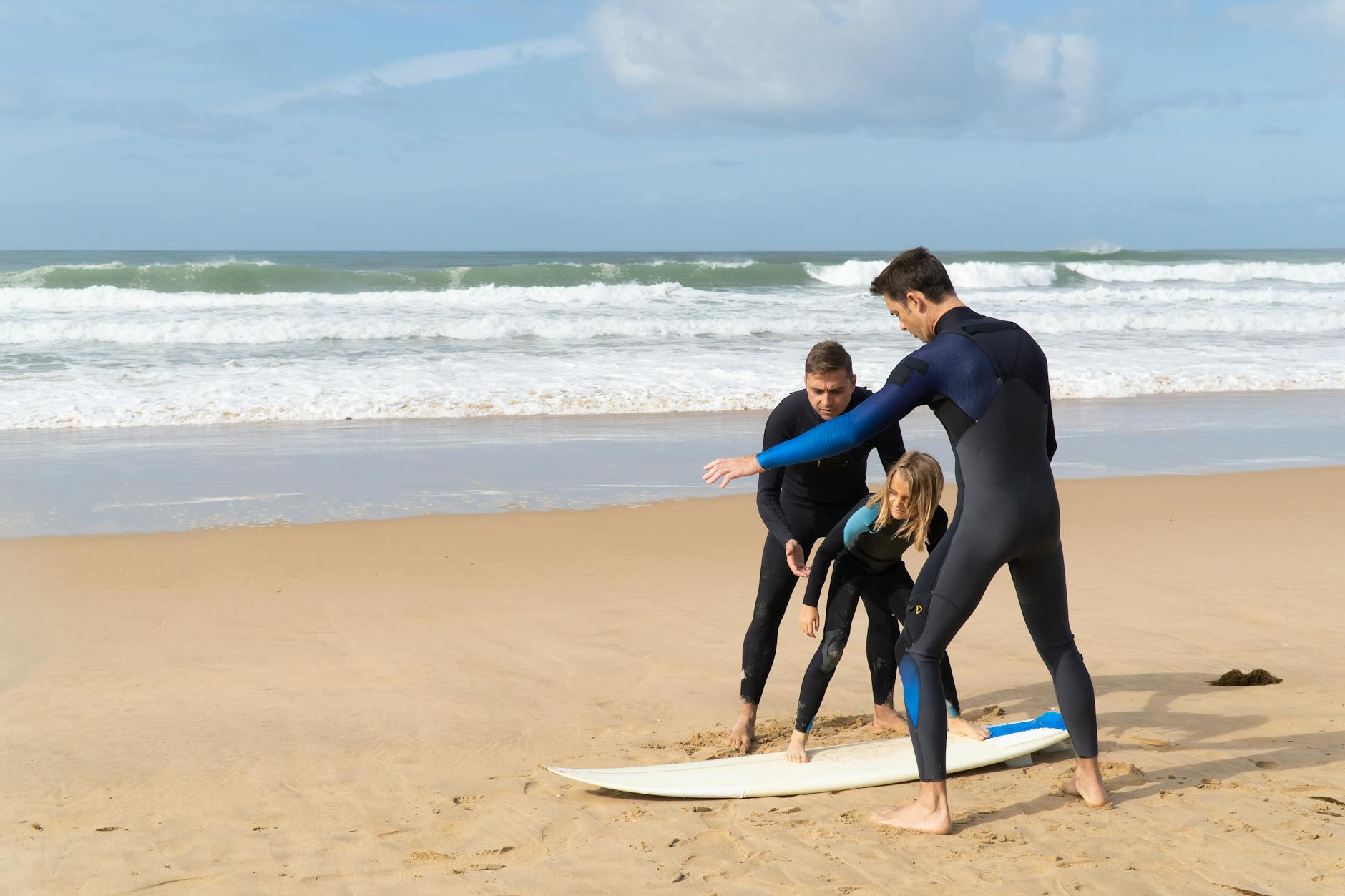
- Surf schools give you a structured start: The UK has an excellent network of surf schools, many of which are accredited by Surfing England or Surf Wales. A two-hour beginner lesson at a reputable school gives you qualified instruction, appropriate equipment, and — crucially — someone to identify and correct poor technique before it becomes habit. Lessons typically cost between £35 and £60 per person.
- The community and culture: Surfing has a large, welcoming beginner community in the UK, particularly around Cornwall, Devon, and Pembrokeshire. Joining that community from the start — attending group lessons, getting involved with local surf clubs — can make the journey far more enjoyable and social.
The honest truth is that surfing is harder to learn than bodyboarding. The pop-up is difficult, the balance required is significant, and progress in the first few sessions can feel slow. But for those who stick with it, surfing offers a depth of skill development that keeps practitioners engaged for decades.
What to Expect from Your First Few Sessions
Whether you choose surfing or bodyboarding, your early time in the water will follow a broadly similar pattern. Managing expectations here will save you a great deal of frustration.
During your first session, you will spend a significant proportion of the time getting knocked over, swallowing water, and misjudging waves entirely. This is not failure. This is learning. The ocean does not follow a script, and developing an instinct for how waves behave takes time. Most people catch their first wave — even a small whitewater wave close to shore — within their first one or two sessions. That first ride, however brief, tends to be the moment people become genuinely hooked.
For surfers, the pop-up is usually the main technical challenge. Practising it on dry land before you go near the water is not silly; it is genuinely useful. Lie flat on the floor, place your hands beneath your shoulders, and push yourself up to a standing position in one smooth movement. Your feet should land roughly shoulder-width apart, with your dominant foot at the back. Most people figure out whether they are regular (left foot forward) or goofy (right foot forward) fairly quickly once they are in the water.
For bodyboarders, the main early challenge is timing. Catching the wave too late means it passes underneath you. Catching it too early means you slide off the front. Watching the wave approach, paddling hard two or three strokes before it reaches you, and then angling your board slightly downward as it lifts you is a skill that clicks quite suddenly for most beginners — usually around the second or third session.
Equipment Guide for UK Beginners
Buying the right equipment from the start prevents wasted money and makes learning considerably easier. Here is a practical breakdown for both disciplines in the UK context.
For Beginner Surfers
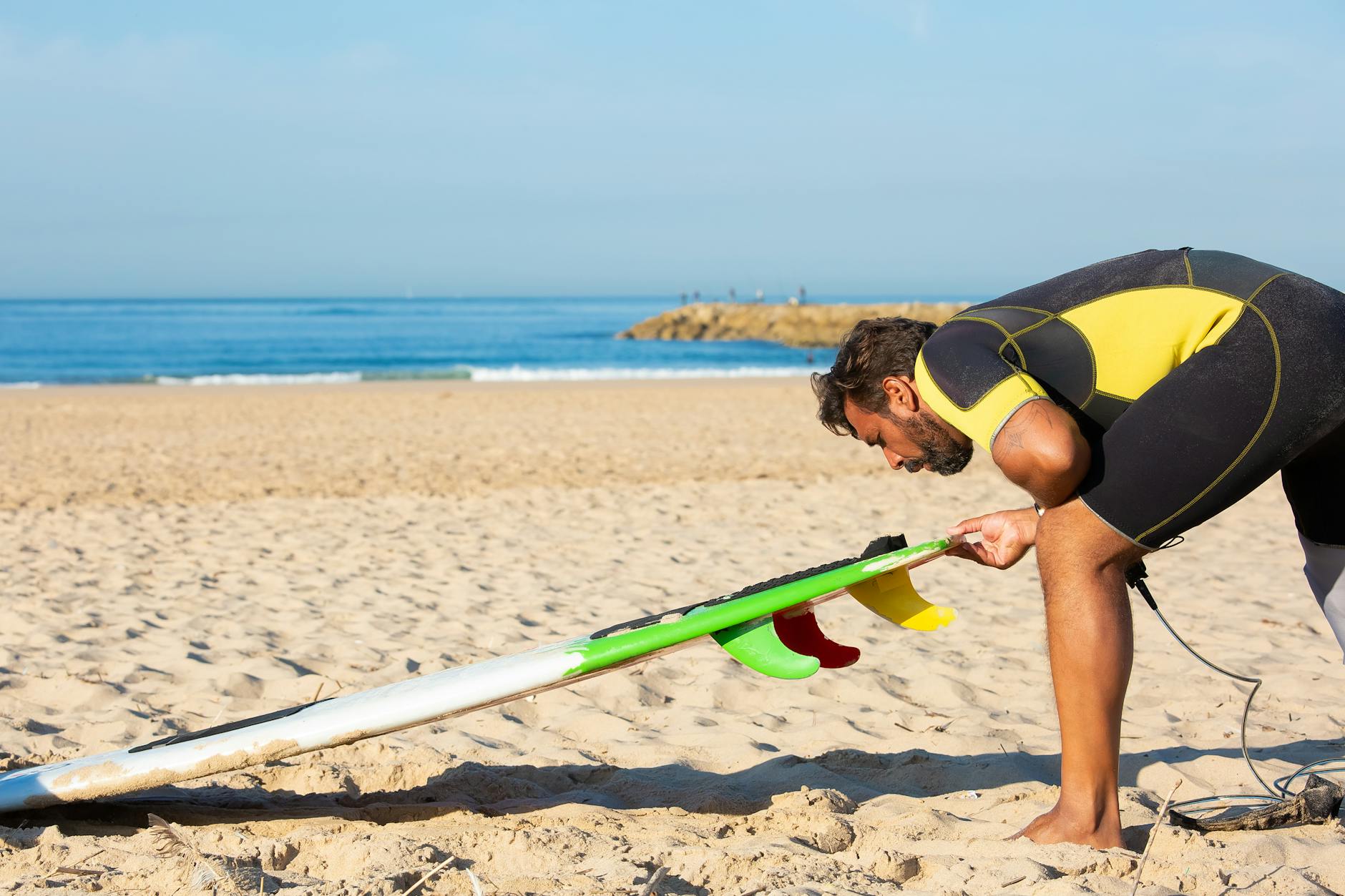
- Board: Start with a foam softboard between 7 and 9 feet long. Wider boards are more stable. Do not buy a shortboard as your first surfboard — it will make learning far harder than it needs to be. Budget around £150 to £350 new, or look for second-hand softboards on Facebook Marketplace or Gumtree in coastal areas.
- Leash: A leash attaches your ankle to the board so it does not wash away when you fall. Match the leash length to your board length. This is non-negotiable for safety.
- Wetsuit: UK waters require a wetsuit year-round. A 3/2mm suit is suitable for May through September; a 4/3mm or 5/4mm suit is advisable from October through April. Reputable UK brands include Rip Curl, Billabong, and O’Neill, with suits available at most coastal surf shops. Expect to spend £80 to £200 for a quality beginner wetsuit.
- Wax: Applied to the top of your board to prevent slipping. Use a tropical or cool wax depending on water temperature — most UK conditions call for cool or cold wax from brands like Sex Wax or Sticky Bumps.
- Boots and gloves: In winter, neoprene boots and gloves are worth the investment. Cold hands and feet severely impact your ability to paddle and control your board.
For Beginner Bodyboarders
- Board: Choose a board that reaches your belly button when stood upright beside you. This is a reliable sizing guide for beginners. Brands like Morey, BZ, and Nomad are widely available in the UK. Spend at least £40 — very cheap boards (under £20) are often too thin and too rigid to function well in real surf.
- Fins: Bodyboard fins (worn on your feet, not attached to the board) are important for generating speed to catch waves. Churchill and Stealth are reliable brands. Do not attempt to bodyboard with swim fins designed for pool use — they are shaped differently and will not perform well in surf.
- Leash: A wrist leash keeps the board attached to you. Some bodyboarders use a bicep leash instead, which can be more comfortable during extended sessions.
- Wetsuit: The same wetsuit guidance as for surfing applies here. You will likely be in the water longer than you expect, and hypothermia is a genuine risk in UK waters without proper protection.
Safety and Beach Regulations in the UK
This section is not optional reading. The UK coastline is
beautiful but unforgiving, and both surfers and bodyboarders must understand the rules and risks before entering the water.
Always surf or bodyboard between the red and yellow flags on patrolled beaches. These flags mark the designated swimming and boardsport zones, and the RNLI lifeguards operating within them are your first line of support if something goes wrong. Black and white chequered flags indicate a zone specifically for surfers and bodyboarders, separate from swimmers. Never enter the water at a red flag beach — conditions have been judged unsafe. Outside of the summer months, many UK beaches are unpatrolled entirely, which means you are responsible for your own safety. Check the RNLI website for patrol dates and times at your local beach before you go.
Rip currents are the single greatest hazard for beginners on UK beaches. A rip is a fast-moving channel of water pulling away from shore, and it can carry even a strong swimmer out to sea quickly. Learn to recognise them before you enter the water — they often appear as darker, choppier patches between breaking waves, sometimes with foam or debris moving seaward. If you are caught in one, do not exhaust yourself fighting it directly. Paddle parallel to the shore until you are clear of the channel, then make your way back in. Both surfboards and bodyboards provide significant buoyancy, which works in your favour, but a leash is essential precisely for this reason.
So Which Should You Try First?
For most beginners in the UK, bodyboarding is the more accessible starting point. It is cheaper, easier to learn in a single session, and less physically demanding in the early stages. You can get a genuine feel for reading waves and understanding how the ocean moves without committing to months of practice before you experience any real reward. Surfing, however, offers a longer progression arc — once you are standing, the range of manoeuvres, wave types, and locations available to you expands considerably. Many lifelong surfers started on a bodyboard, and the time spent in the water reading waves is never wasted. Whichever you choose, take a lesson from a qualified British Surf Association instructor, respect the sea, and go out with someone who knows the break. The ocean is endlessly rewarding when approached with patience and common sense.