Cold Water Surfing Safety: Avoiding Hypothermia
Cold Water Surfing Safety: Avoiding Hypothermia
The United Kingdom is not the first place most people picture when they think of surfing. Yet from the thundering beach breaks of Newquay to the remote reef waves of Thurso East, British surfers ride waves year-round in some of the coldest, most challenging water in Europe. The North Atlantic is unforgiving. The Irish Sea rarely climbs above 15°C even in August, and by January the water temperature off the Cornish coast can drop to 8°C or lower. In Scotland, you may find yourself paddling through water that sits just above freezing.
Cold water is not a reason to stay on the beach. It is, however, a reason to take your preparation seriously. Hypothermia – the dangerous drop in core body temperature – is the single greatest physical risk facing UK surfers, and it is almost entirely preventable with the right knowledge, equipment, and habits. This guide explains exactly how to protect yourself so that every session ends with you warming up on the beach rather than in the back of an ambulance.
Understanding Hypothermia: What Actually Happens to Your Body
Hypothermia occurs when your core body temperature falls below 35°C. Normal core temperature sits at around 37°C, so the margin is narrower than most people realise. Cold water is far more dangerous than cold air. Water conducts heat away from the body approximately 25 times faster than air at the same temperature, which means even a brief immersion in 10°C water can begin affecting your body within minutes if you are not properly protected.
The process unfolds in stages. In the early stage, you will shiver uncontrollably – this is your body’s attempt to generate heat through muscle activity. You may also notice rapid breathing, an increased heart rate, and poor coordination in your hands. Many surfers dismiss these early warning signs as simply “feeling cold,” which is a dangerous error in judgement. At this stage, getting out of the water and warming up is straightforward and effective.
If exposure continues, shivering may actually stop – not because you are warming up, but because your body no longer has the energy to maintain it. Confusion, slurred speech, drowsiness, and loss of muscle control follow. In the water, this progression is life-threatening. A surfer who can no longer paddle effectively, grip their board, or make clear decisions is in serious danger of drowning. Severe hypothermia, where core temperature drops below 28°C, can cause cardiac arrest.
Understanding this progression matters because it gives you clear decision-making points. The moment you notice persistent shivering, difficulty gripping your leash or fins, or that your feet and hands feel completely numb, your session is over. No wave is worth ignoring those signals.
Choosing the Right Wetsuit for UK Waters
Your wetsuit is your primary defence against the cold, and getting this choice right is the single most impactful thing a beginner can do for their safety. A wetsuit works by trapping a thin layer of water between the neoprene and your skin. Your body warms this water, and the neoprene insulates it, creating a thermal buffer against the surrounding sea.
Wetsuits are rated by thickness, expressed in millimetres, typically written as two numbers – for example, 5/3mm. The first number refers to the thickness across the torso, the second to the thickness at the limbs. For UK surfing, the following is a practical guide to suit thickness by season:
- Summer (June-September): Water temperatures of 14-18°C. A 3/2mm full suit is the minimum. Some beginners prefer a 4/3mm for comfort, particularly in the north of England, Wales, or Scotland.
- Autumn (October-November): Water temperatures dropping to 12-15°C. A 4/3mm suit is appropriate for most UK locations.
- Winter (December-February): Water temperatures of 7-11°C. A 5/4mm or 5/4/3mm suit is strongly recommended, along with boots, gloves, and a hood.
- Spring (March-May): Water temperatures of 9-13°C and slowly rising. A 4/3mm suit with boots remains necessary for most surfers until May.
Fit matters as much as thickness. A wetsuit that is too loose will allow cold water to flush through freely, defeating the insulation entirely. When trying on a suit, it should feel snug – almost uncomfortably so when dry – without restricting your breathing or shoulder movement. Pay close attention to the neck seal and wrist seals, as these are common entry points for cold water. UK surf shops such as Fistral Surf in Newquay, Ocean Magic in St Agnes, and Porthcawl Surf in Wales all carry knowledgeable staff who can assess your fit properly. Do not buy a wetsuit online without first trying the equivalent model in a shop.
Seam construction is another factor worth understanding. Flatlock-stitched seams are fine for warm water but allow water to seep through at the stitching. Glued and blind-stitched (GBS) seams, where the neoprene panels are glued together and then stitched from one side only, offer far better water resistance and are the minimum standard you should accept for UK conditions. Sealed and taped seams offer the highest level of waterproofing and are worth the extra cost if you plan to surf through winter.
Accessories That Are Not Optional in UK Conditions
In warmer climates, wetsuit boots, gloves, and hoods are considered optional extras. In the UK, particularly between October and April, they are essential safety equipment. Heat loss is greatest from extremities and the head, and a surfer whose hands are too numb to paddle or grip their board is a surfer in trouble.
Boots: Split-toe boots with 5mm or 6mm neoprene are the standard choice for UK winter surfing. The split toe gives better feel and grip on your board. Avoid boots that are too thick for your fin boxes – check that you can still place your feet correctly over your fins. Round-toe boots offer maximum warmth and suit very cold conditions in Scotland or the north of England.
Gloves: Lobster-claw gloves (which separate the index finger from the remaining three) offer a good compromise between warmth and dexterity. Five-millimetre gloves are appropriate for most UK winter conditions. Mittens offer the most warmth but significantly reduce your ability to paddle efficiently and are generally reserved for extreme cold or surfers with circulation issues.
Hood: A hood makes a dramatic difference. The head accounts for a significant proportion of total heat loss, and a 3mm or 5mm neoprene hood can extend your session time considerably as well as reducing the headache-like cold water immersion response that many beginners find alarming. Integrated hood suits – where the hood is attached directly to the wetsuit collar – offer the best seal.
Before You Get in the Water: Practical Pre-Session Preparation
Preparation on the beach is as important as the equipment you wear. These steps take very little time and significantly reduce your cold water risk.
- Check the water temperature before you go. Sites such as Magic Seaweed and Surf Forecast publish sea surface temperatures for all major UK surf spots. Cross-reference the temperature with your suit setup to make sure you are appropriately dressed before you even leave home.
- Eat a proper meal beforehand. Your body generates heat through metabolism. Surfing on an empty stomach means less fuel available for thermoregulation. A meal containing complex carbohydrates one to two hours before your session is sensible practice.
- Warm up on the beach. Five to ten minutes of light movement – arm circles, squats, jogging on the spot – raises your core temperature and gets blood moving to your extremities before the cold water hits. Entering cold water from a warm, active body is far less of a thermal shock.
- Check your equipment for damage. A split seam, a loose neck seal, or a hole in a boot will let in cold water continuously throughout your session. Inspect your suit and accessories before each session, particularly around high-wear areas such as the knees, armpits, and zip.
- Tell someone where you are going. This is especially important if you are surfing remote breaks in Wales, Cornwall, or Scotland. Leave details of your intended location and estimated return time with a friend or family member. Many UK beaches outside tourist season have no lifeguard cover whatsoever – the RNLI only operates seasonal patrols, and most winter surf spots are entirely unsupervised.
- Know where the nearest facilities are. Locate the nearest car park, changing facilities, and access point to warm shelter before you paddle out. When you are cold and exhausted after a session, clarity of thought is reduced. Knowing exactly where to go removes the need to make decisions under those conditions.
In the Water: Recognising and Responding to Cold Water Stress
Cold water shock occurs in the first thirty seconds to three minutes of immersion in cold water. Your skin temperature drops sharply, triggering an involuntary gasp reflex, hyperventilation, and a dramatic increase in heart rate and blood pressure. This response is separate from hypothermia – it is an immediate physiological reaction and is a leading cause of drowning in UK coastal waters, particularly in the summer months when people enter the sea without wetsuits.
As a wetsuit-wearing surfer, you have significant protection against cold water shock, but it is not eliminated entirely. If you take a heavy wipeout and your suit flushes with cold water, or if you surface through a wave unexpectedly, you may experience a version of this response. The correct reaction is to stay calm, control your breathing, and hold onto your board. Your
buoyancy will help keep you at the surface while your breathing normalises, which typically takes between 60 and 90 seconds. Fighting the water or panicking will accelerate heat loss and exhaust you rapidly, compounding the danger.
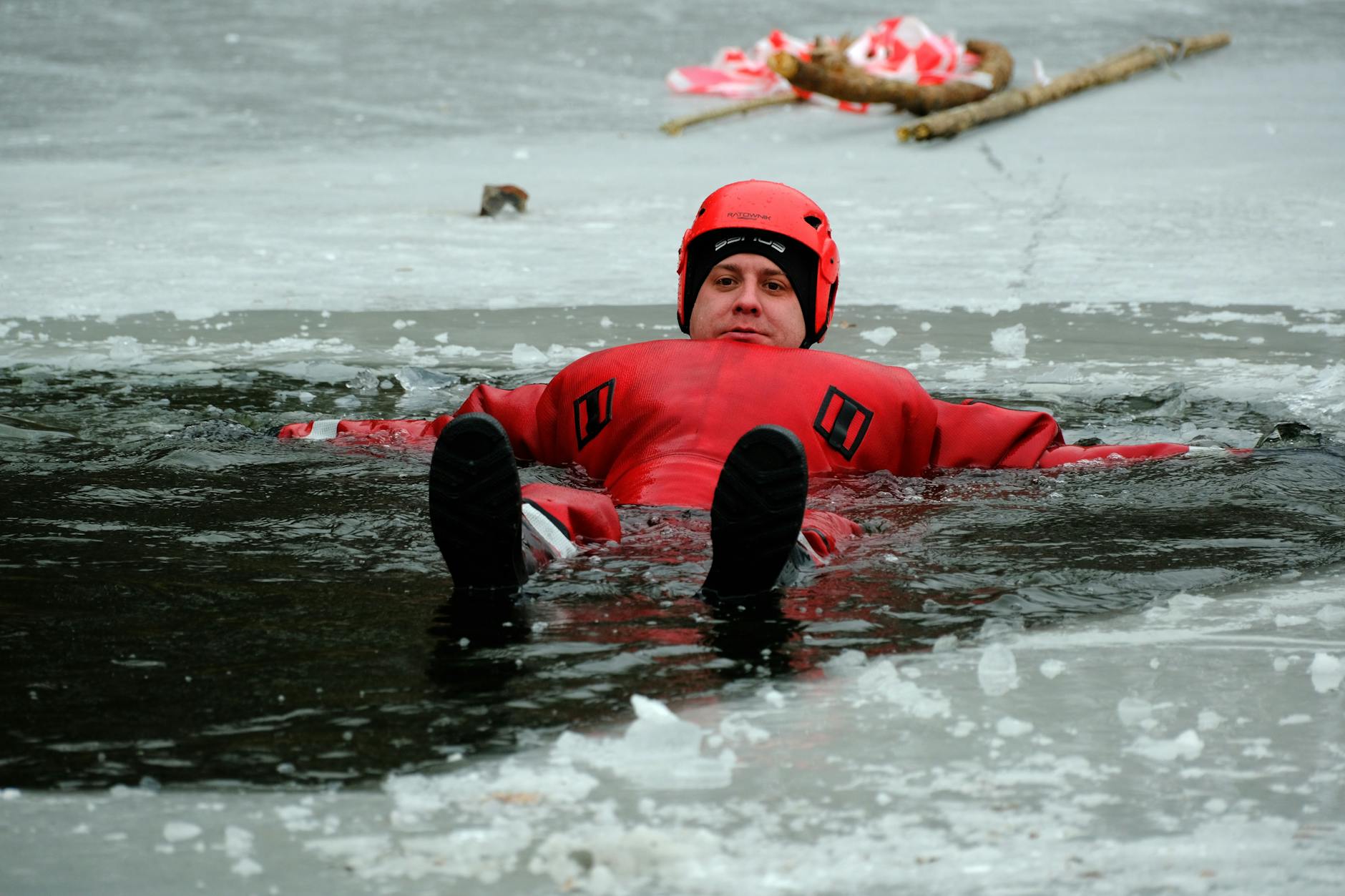
A further consideration for UK surfers is the risk of swimming failure, which can occur after cold water immersion even in people who are strong swimmers. Cold water causes rapid muscle fatigue in the limbs, and a surfer separated from their board in deep water may find their ability to swim deteriorates far more quickly than expected. This is why a surf leash is not merely a convenience — it is a genuine safety device. Keeping your board close means keeping your primary source of flotation close. If you do find yourself separated from your board in cold water, conserve energy by floating on your back rather than attempting to swim long distances.
Longer sessions in cold UK waters also carry a cumulative cooling effect that many surfers underestimate. You may feel perfectly comfortable during the first hour of a winter session, only to notice impaired judgement, clumsiness, or an unusual reluctance to catch waves as your core temperature gradually drops. These are early signs that your body is working hard to maintain warmth, and they should be taken seriously. Get out of the water, change into dry clothes promptly, and warm up from the inside with a hot drink. A changing robe or dry robe over your wetsuit immediately after exiting the water will significantly slow heat loss during the transition.
Conclusion
Surfing in UK waters is deeply rewarding, and with the right preparation it can be done safely throughout the year. Understanding the difference between cold water shock and hypothermia, wearing an appropriate wetsuit for the season, surfing with others, and knowing when to get out of the water are the foundations of cold water safety. The sea demands respect at any temperature, but in cold water that respect can be the difference between a memorable session and a medical emergency. Prepare thoroughly, look out for your fellow surfers, and enjoy what the British coastline has to offer.