Surf Fitness: Training on Land for Better Performance
Surf Fitness: Training on Land for Better Performance
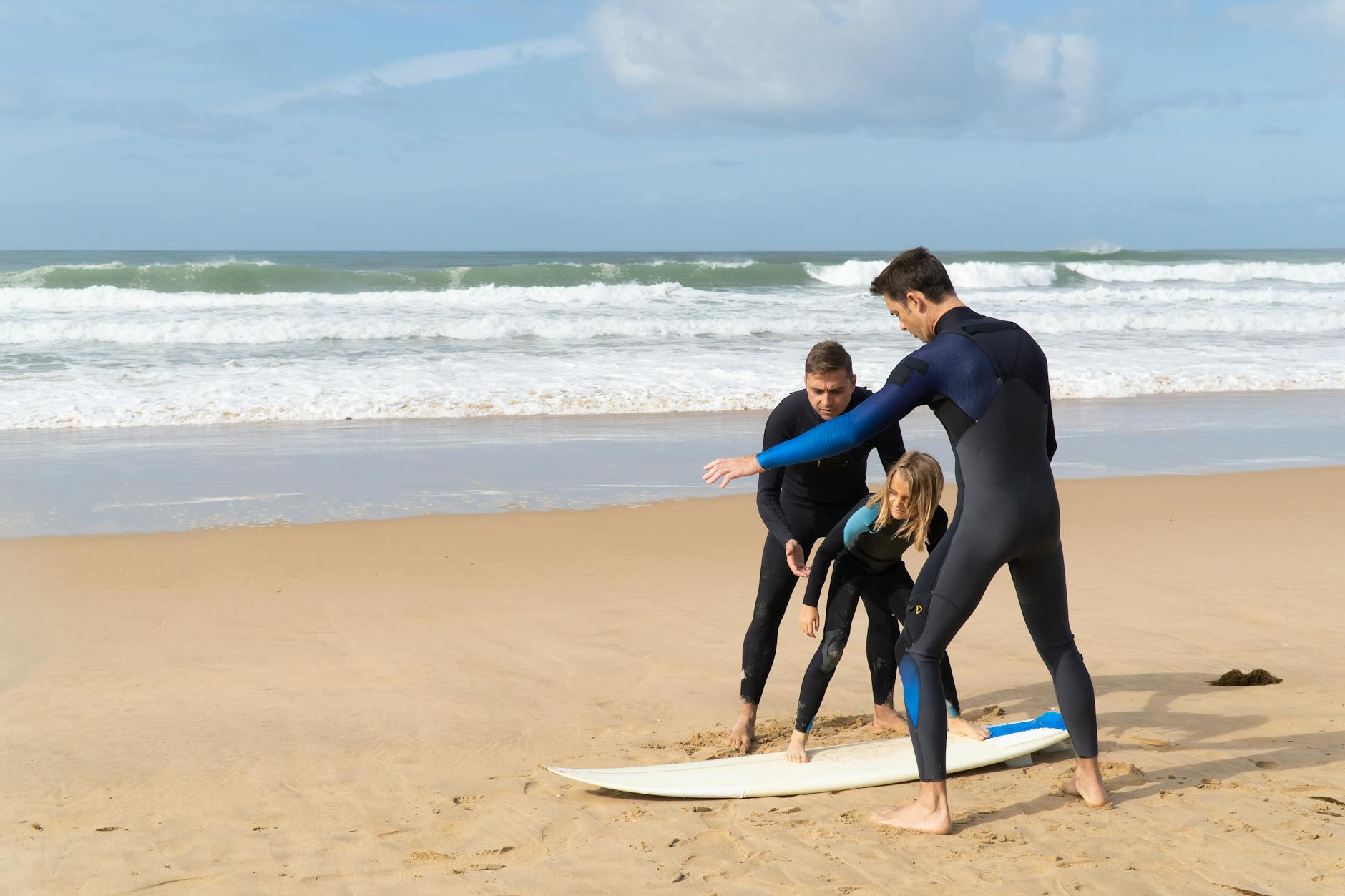
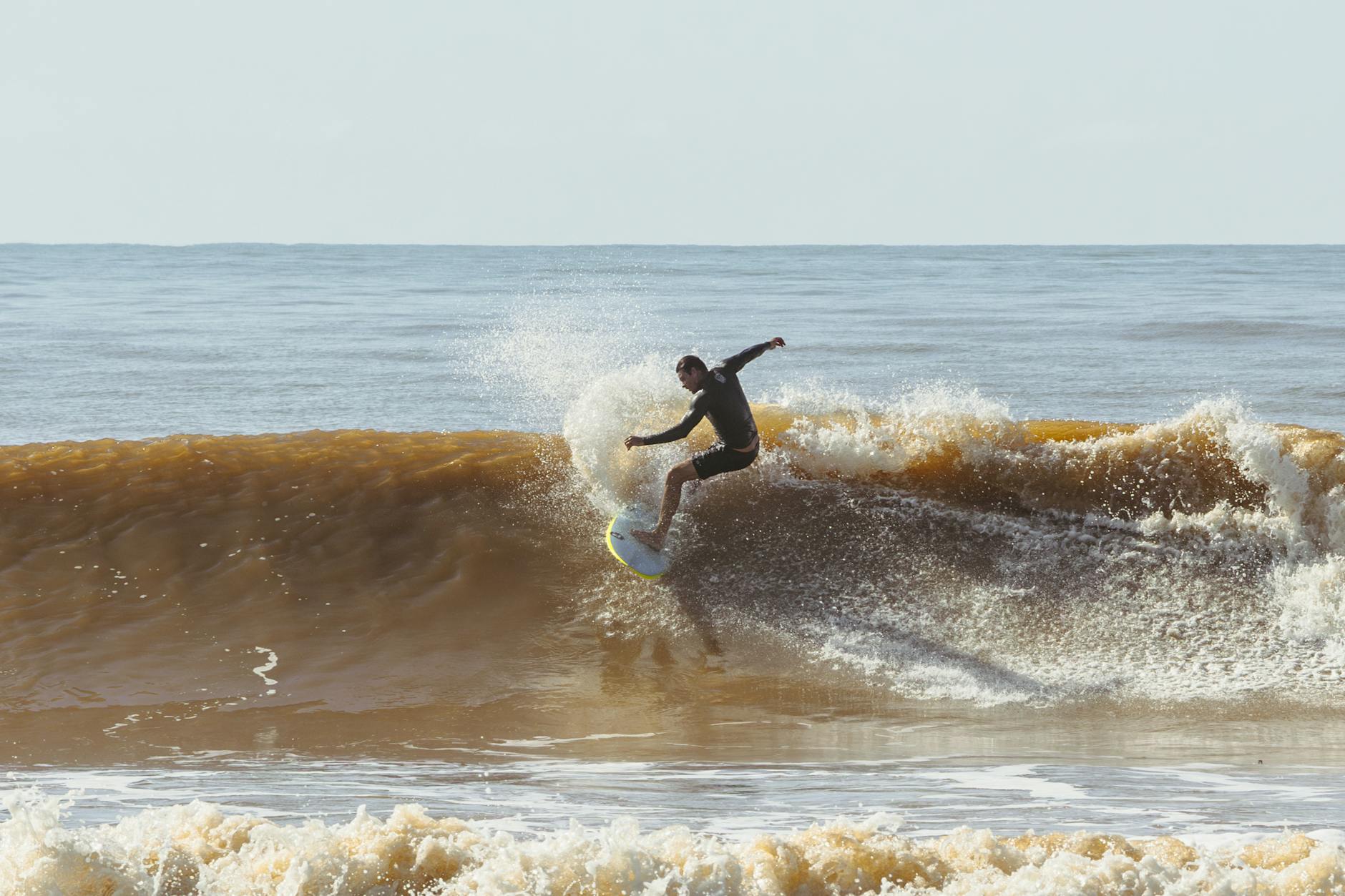
Surfing demands more from your body than most people expect. Watch a beginner struggle through their first session at Croyde, Newquay, or Porthcawl and you will quickly notice that paddling out through white water is exhausting, popping up feels impossibly awkward, and the whole thing leaves muscles aching that you did not even know existed. The good news is that targeted land-based training can transform your surfing progression faster than any amount of time simply waiting for the tide. If you are serious about improving in the water, you need to be putting in deliberate work on dry land between sessions.
This guide is designed for beginners in the UK who want to build the physical foundation that surfing requires. Whether you are based in Cornwall, Yorkshire, Scotland, or anywhere in between, these training principles apply equally. You do not need an expensive gym membership or specialist equipment. What you do need is consistency, an understanding of why each exercise matters, and the patience to build fitness progressively.
Understanding What Surfing Actually Demands of Your Body
Before you can train effectively, it helps to understand the physical demands of surfing. The sport is unusually varied in the stresses it places on the body. A typical beginner surf session at somewhere like Saunton Sands or Polzeath involves repeated paddling against oncoming waves, explosive pushing movements to stand up, rotational balance work whilst riding, and sustained core engagement throughout.
Research into surf physiology consistently shows that paddling accounts for roughly 50 to 60 percent of time spent in the water, with sitting and waiting making up around 35 percent, and actually riding waves occupying less than 10 percent. This means your paddling fitness and endurance are far more important than most beginners assume. You can have the most technically perfect pop-up in the world, but if you are exhausted before a set arrives, it counts for nothing.
The key physical attributes you need to develop are:
- Upper body and shoulder endurance — for sustained paddling without fatigue
- Core stability and rotational strength — for balance on the board and controlled riding
- Hip flexor flexibility — to allow a fluid, low pop-up position
- Leg strength and stability — to hold your stance through choppy, unpredictable water
- Cardiovascular fitness — to sustain effort across a one to two hour session in cold Atlantic conditions
- Breath control and mental composure — to manage hold-downs and unexpected wipeouts calmly
Training each of these areas on land, even two or three times a week, will produce noticeable results within four to six weeks. UK surfers face the additional challenge of cold water, which tightens muscles and increases energy expenditure, making fitness even more important here than it might be in warmer surf destinations.
Building Your Paddle Fitness Without a Wave in Sight
Paddling is the single most important physical skill in surfing for a beginner, and it is the one most consistently undertrained. The movement pattern involves a long, sweeping arm stroke combined with a slightly arched lower back and lifted chest — a position that is demanding to hold for extended periods if your body is not conditioned for it.
Swimming is the most direct land-based (or pool-based) training tool available. Regular front crawl sessions at your local leisure centre will build shoulder endurance, improve breath control, and develop the specific muscles used in paddling. Aim for two sessions per week of 30 to 45 minutes. Do not worry about speed — focus on consistent, controlled strokes and building duration over time. Many UK leisure centres, including those run by Everyone Active and Places Leisure, offer lane swimming sessions for as little as a few pounds per visit.
If swimming is not accessible to you, resistance band exercises are an excellent alternative. Attach a resistance band to a door frame or fence post, face it, and practise the paddling motion — long pulls from an extended arm position down towards your hip, mimicking the exact stroke you would use on a board. Three sets of 15 to 20 repetitions on each side, performed slowly and with control, will build the relevant muscle groups effectively.
Prone paddling on a SUP (stand-up paddleboard) or bodyboard in calm, flat water is another option worth considering. Many UK beaches with calmer bays — such as those around the Gower Peninsula or in Pembrokeshire — offer conditions suitable for practising paddling without having to contend with surf. Some board hire companies, including those in Newquay and St Ives, rent bodyboards cheaply, which can double as paddle training tools in flat conditions.
Core Training: The Foundation of Everything
A strong, stable core is the single biggest physical factor separating surfers who progress quickly from those who seem to plateau indefinitely. Your core is not just your abdominals — it encompasses the deep stabilising muscles of your trunk, your obliques, your lower back, and your glutes. When you are riding a wave, these muscles are working constantly to make micro-adjustments that keep you balanced and in control.
The following core training routine can be completed at home in 20 minutes and requires no equipment whatsoever:
- Plank hold — Start with 30-second holds and build towards 90 seconds over several weeks. Keep your body in a straight line, do not allow your hips to sag, and breathe steadily throughout.
- Side plank — Hold each side for 20 to 40 seconds. This targets the obliques and lateral stabilisers that are critical for maintaining balance whilst turning on a board.
- Dead bug — Lie on your back, arms extended to the ceiling, knees bent at 90 degrees. Slowly lower alternate arm and leg combinations towards the floor whilst keeping your lower back pressed flat. This trains deep core stability in a controlled, low-impact way.
- Hollow body hold — From lying on your back, lift your legs and shoulders off the floor, keeping your lower back pressed down. Hold for 20 seconds, rest, and repeat. This is a foundational gymnastics movement that has direct application to surfing balance.
- Russian twists — Seated with your feet slightly elevated, rotate your torso side to side in a controlled manner. Add a weight (a tin of beans works fine) once the movement feels manageable. This builds the rotational strength used when trimming and turning on a wave.
- Superman holds — Lying face down, simultaneously lift your arms and legs off the floor and hold briefly before lowering. This strengthens the lower back and posterior chain, both of which are fatigued by the prone paddling position.
Perform this circuit three times, three to four days per week. Within a month, most beginners notice a tangible difference in how stable they feel on the board.
Flexibility and Mobility: Often Ignored, Always Important
Tight hips, stiff thoracic spines, and restricted shoulder mobility are among the most common physical reasons beginners struggle with their pop-up. The pop-up requires you to move explosively from a prone position to a low, athletic stance in a single fluid motion. If your hip flexors are tight from long hours at a desk — a reality for many UK surfers who fit surfing around office work — this movement will feel laboured and unreliable.
A daily stretching routine of just 10 to 15 minutes can make a significant difference. Prioritise the following movements:
- Low lunge with thoracic rotation — stretches the hip flexors whilst simultaneously mobilising the upper spine
- Pigeon pose — an excellent hip opener that addresses the external rotation needed for a comfortable surf stance
- Chest opener against a wall — counteracts the rounded shoulder posture that develops from paddling and desk work alike
- Cat-cow spinal flexion — maintains spinal mobility and warms up the lower back before training or surfing
- Downward dog to cobra flow — mimics the upper body movement of the pop-up itself, making it both a stretch and a movement rehearsal
Yoga is particularly well-suited to surfers, and many UK instructors now offer surf-specific yoga classes both online and in coastal communities. Studios in places like Fistral (Newquay), Croyde Village, and Aberystwyth offer classes that cater specifically to the surfing community. Online platforms such as Yoga with Adriene on YouTube provide free, accessible sessions that can be done at home regardless of your location in the UK.
Leg Strength and Stability Training
Your legs do far more work in surfing than many beginners expect. Holding a low, athletic stance whilst the board moves beneath you requires sustained quad and glute activation, and ankle stability plays a critical role in preventing wobbles and falls.
Single-leg exercises are particularly effective because they replicate the uneven, reactive balance demands of riding a wave. Incorporate the following into your weekly training:
- Single-leg squats (pistol progressions) — Begin seated on a chair and stand using only one leg at a time. Progress towards freestanding single-leg squats over several weeks.
- Bulgarian split squats — Place your rear foot on a chair or bench and lower into a lunge position. This is one of the most effective lower body exercises available and requires no additional equipment beyond bodyweight.
- Balance board or wobble board training — Widely regarded as one of the most specific tools for surf fitness, a balance board replicates the lateral instability of a surfboard. Brands such as Indo Board and Balance Board UK sell boards suitable for home use, typically priced between £40 and £120. Many surf schools in Cornwall and Wales also sell these or have them available for purchase.
- Calf raises on an uneven surface — Standing on a folded towel or cushion and performing slow calf raises challenges ankle stability in a simple but effective way.
Cardiovascular Conditioning for UK Surf Sessions
Surfing in the UK is physically demanding in a way that warm-water surfing simply is not. Cold water
constricts muscles, makes wetsuits heavier when waterlogged, and forces the body to work harder simply to maintain core temperature. This means that even a modest session at a beach like Croyde or Llangennith can leave you more exhausted than a longer session in warmer water abroad. Building a strong cardiovascular base before you paddle out is therefore not a luxury — it is a practical necessity.
Swimming is the most directly transferable form of cardio training for surfers. Pool sessions that focus on front crawl build paddle-specific endurance, conditioning the shoulders, lats, and lungs in a way that running or cycling simply cannot replicate. Aim for two sessions per week, incorporating interval sets — for example, ten lengths at near-maximum effort followed by two lengths of recovery — to mirror the stop-start intensity of a real surf session. Open-water swimming, where conditions permit, adds the further benefit of acclimatising your body to cold water, which is particularly relevant if you regularly surf in Devon, Cornwall, or along the Scottish coastline.
Cycling and rowing are both excellent supplementary options. Rowing, in particular, engages the posterior chain and cardiovascular system simultaneously, making it one of the more efficient cross-training tools available to surfers. A thirty-minute rowing machine session at a moderate pace, twice weekly, will noticeably improve your stamina in the water within six to eight weeks. High-intensity interval training (HIIT) on a stationary bike is another time-efficient choice, and most leisure centres across the UK offer both machines at reasonable membership rates.
Putting It All Together
There is no single training programme that suits every surfer, and your approach will naturally depend on your current fitness level, how often you get to the water, and which aspects of your surfing feel most limited. That said, a balanced weekly routine that combines core stability work, functional strength training, mobility practice, balance board sessions, and cardiovascular conditioning will produce measurable improvements in your time on the board. Start conservatively, allow adequate recovery between sessions, and treat your land training as a complement to — not a replacement for — time spent in the sea. The cold, grey, magnificent waves of the British coastline will reward the effort.